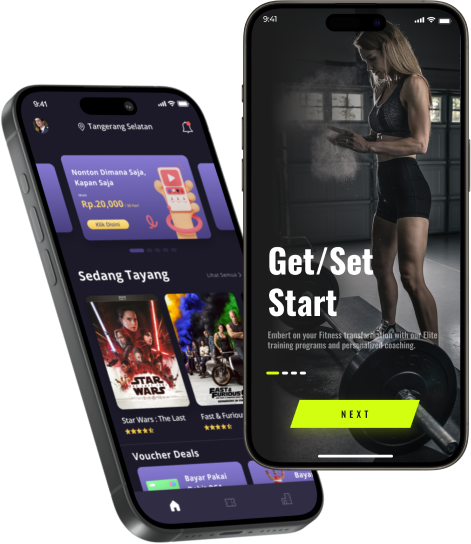



Building an app can seem mystical for many entrepreneurs. Though you may have the idea, perhaps even the business model, the steps required to turn that concept into a functioning product are not always clear. Though one may consider it to be simply coding, it is really a methodical approach including planning, design, engineering, testing, and long-term support.
Experienced mobile app designers in Dubai and international businesses like Wall Street Mobile Apps help customers every step of the way with clarity. The goal is to build the ideal app that addresses real user needs and company goals.
In the sections that follow, we’ll break down each stage of the app development journey, from strategy and design to development, testing, launch, and ongoing growth, so founders can see exactly how a mobile app evolves from an idea into a fully functional, user-ready product.”
Strategy & Discovery — Clarifying the Vision
Every successful application begins with a strategy. The team collaborates closely with founders before any design or development begins to understand the core concept, the issue being addressed, and the app’s target users. This phase typically includes feature planning, competitor research, and MVP outlining.
Discovering also entails selecting the appropriate platform. Some companies start with iOS; others prioritize Android based on their target audience. Teams familiar with Android app development, whom Dubai companies depend on, can help evaluate your users’ most active location.
Projects without this sometimes go astray, resulting in unnecessary additions or missing essential capabilities. From day one, strategy ensures the product remains aligned with business goals.
UI/UX Design — Crafting an Experience Users Love
Designers come in once the concept is clear. UI, or User Interface, addresses the application’s appearance, colors, font, symbols, and overall visual approach. UX, or User Experience, examines how it functions, how quickly chores are completed, how naturally everything feels, and how customers navigate displays.
Excellent design gives an app a natural feel. Users shouldn’t have to “learn” how to use it. This is especially critical in Android app development markets such as Dubai, where device changes and Android design patterns must be thoroughly assessed.
Thoughtful design helps users, from the first tap, build trust, improve recall, and reduce annoyance.
Development — Building the App
This is where ideas and designs become real, functioning programs. Developers create the code that drives the app’s security, performance, and features.
Native Development
Native apps are made particularly for a single platform. Swift or Objective-C is used to write iOS applications; Kotlin or Java is used for Android apps. In Android app development, native builds are preferred when performance and comprehensive device integration are the primary considerations. Businesses in Dubai need apps with great volume.
Cross-Platform Development
Flutter and React Native are cross-platform frameworks that enable a single codebase for both Android and iOS. It might be a more cost-effective and faster solution for business owners who need to reach both audiences quickly.
At this stage, mobile app developers in Dubai and their colleagues worldwide also work with back-end systems, APIs, and databases to enable the app to store data, respond to queries, and interact with other services.
Testing — Polishing Quality Before Launch
Prior to release, the application is thoroughly tested. This step ensures everything runs as planned and that customers do not exacerbate defects.
Teams assess usability, compatibility (does it run well across devices), performance (is it quick and stable), and functionality (does every feature operate as planned?). Skipping testing is almost certain to create problems, as it’s similar to opening a store before the doors or lights are on.
Good testing guarantees smoother launches, improved reviews, and, initially, greater user satisfaction.
Launch — Taking Your App Live
Launching an application involves more than just a button click. Keywords, app store descriptions, and screenshots are produced by the development team. They also ensure compliance with the Google Play Store and Apple App Store criteria.
Submission reviews can take time, especially on iOS. Experienced mobile app developers in Dubai and professional agencies manage this process, respond to reviewer feedback, and handle updates if required. For businesses focused on Android app development in the Dubai markets, optimizing the Play Store listing is equally important for visibility.
Maintenance & Growth — Keeping the App Healthy
The path of an app does not stop at launch. Maintenance ensures compatibility with the operating systems, performance optimization, and bug fixes. The teams also receive feedback, examine user behavior, and, incrementally, add new features. This ongoing development ensures the app remains relevant and competitive in a rapidly evolving market.
Another trap is foregoing the planning stage. Jumping straight from design to print to delivery without proper targeting reduces impact before the campaign even begins. Working with a Best Leaflet Distribution provider helps you avoid these problems because planning, mapping, and execution are treated as connected steps, not separate tasks.
Analytics & User Insights — Learning from Real Data
Your app provides insight into consumer behavior and participation following the release of your software. To track trends in session length, feature usage, retention rates, and conversion events, Dubai mobile app developers use sophisticated analytics tools. Founding members and product teams can better understand their values, areas needing development, and what misleads consumers, thanks to this information. By considering these points, startups can rank features, refine user flows, and enhance monetization strategies.
Real-world applications provide a viable path that helps systems grow intelligently and meet customer expectations over time.
Feature Enhancements & Scaling — Preparing for Growth
As your application becomes more popular, maintaining performance and adding new capabilities become increasingly vital. By monitoring server load, fine-tuning backend systems, and using modular, flexible layouts, Dubai mobile app developers ensure applications scale appropriately. Feature upgrades are thoughtfully developed to avoid interfering with the user experience, whether by incorporating external services, installing new tools, or extending to cross-platform releases.
A good roadmap helps startups continuously improve performance, serve more users, and expand capabilities by aligning current user needs with long-term growth. Scalable, future-ready applications keep people prepared for development and interested.
FAQs
What does a mobile app development company do?
From idea validation and design through coding, testing, launch, and ongoing support, they manage the entire process.
Can existing apps integrate with new features or blockchain/AI technology?
Yes. Dubai-based mobile app developers typically enhance or expand applications without compromising the user experience.
How long does it take to develop an app?
Most apps take a few months to build and test, depending on complexity; cross-platform solutions typically shorten timelines.
Conclusion
Beyond programming, creating a mobile app is a deliberate process that includes design, testing, release, and ongoing expansion. Using local knowledge and experience, experienced mobile app developers in Dubai, like those at Wall Street Mobile Apps, help founders through every stage with a straightforward strategy.
Need assistance with design, strategy, or creating an Android app that Dubai business people can trust? Your idea can be a high-performing, scalable app. Visit wallstreetmobileapps.com to start your app development journey today.
 Wall street mobile app. All rights reserved | Cookie Settings, Anti-Spam, Privacy, User agreement, Legal Notice and Responsible Disclosure