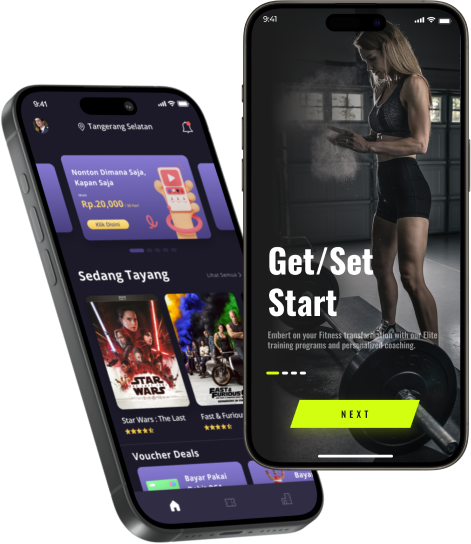



Budgeting Your iOS App Development, IOS apps continue to hold a prominent position in mobile applications. Developing a mobile application is critical for businesses aiming to enhance their digital presence. With the Apple App Store boasting over 2.2 million apps, app development for iOS can be a strategic move for reaching a vast audience. However, the competition is fierce, and users' expectations are higher than ever.
Whether you're a seasoned developer or a budding entrepreneur venturing into the app market to hire an iOS app developer, understanding the intricacies of budgeting your cost of the iOS app development journey is paramount for success. One of the most crucial aspects of this journey is budgeting. Ensuring that you have a clear, well-thought-out financial plan is essential to the success of your app development project.
This guide will walk you through the key factors and considerations for budgeting your cost of the iOS app development journey.
Understanding the Cost Components
- Concept and Planning
Every app starts with an idea, but transforming that idea into a viable product requires careful planning and conceptualization. This initial phase involves:
- Market Research: Analyzing the market to understand your app's demand, competition, and potential user base.
- Concept Development: Defining the core functionalities, features, and user experience.
- Feasibility Study: Assessing the technical feasibility and identifying potential challenges.
The cost of this phase can range from $5,000 to $20,000, depending on the complexity and depth of the research and planning required.
- Design and User Experience
An app's design and user experience (UX) are critical to its success. A well-designed app not only attracts users but also retains them. This phase includes:
- Wireframing: Creating a blueprint of the app’s layout and flow.
- UI/UX Design: Developing the visual elements and interactive components.
Budgeting Your iOS App Development, Hiring a professional designer can cost anywhere from $50 to $200 per hour. Design and UX can cost between $10,000 to $50,000, depending on the complexity and number of screens.
- Development
The development phase is where your app comes to life. This involves:
- Front-End Development: Creating the user interface and ensuring it is responsive and visually appealing.
- Back-End Development: Setting up servers, databases, and APIs to ensure the app functions correctly.
- Integration: Connecting third-party services and APIs.
The cost of the iOS app development can vary widely based on the app's complexity and your development team's location. In the US, development costs range from $100 to $150 per hour, while in other regions, such as Eastern Europe or India, costs can be significantly lower, ranging from $30 to $70 per hour. A simple app can cost around $20,000 to $50,000, while a complex app can go upwards of $100,000.
- Testing and Quality Assurance
Budgeting Your iOS App Development, Testing is crucial to the development process to ensure your app functions correctly and provides a seamless user experience. Rigorous testing is imperative to ensure app functionality, usability, and security across various iOS devices and OS versions. Allocate sufficient resources for manual and automated testing, bug fixing, and performance optimization. Overlooking quality assurance can result in negative user experiences, app crashes, and reputational damage. This phase includes:
- Functional Testing: Ensuring all features work as intended.
- Performance Testing: Checking the app’s performance under various conditions.
- Security Testing: Identifying and fixing potential security vulnerabilities.
- User Testing: Gathering feedback from real users to make final adjustments.
The cost for testing can range from $5,000 to $20,000, depending on the complexity of the app and the thoroughness of the testing process.
- Deployment and Launch
Once your app is developed and tested, it’s time to launch it on the App Store. This phase involves:
- App Store Optimization (ASO): Optimizing your app’s listing to improve visibility and conversion rates.
- App Submission: Preparing and submitting your app to the Apple App Store for review.
- Marketing and Promotion: Promoting your app through various channels to increase downloads and user engagement. The cost of deployment and launch can vary based on your marketing strategy and the resources allocated to promotion. On average, this phase can cost between $5,000 to $20,000.
Budget Allocation Strategy
Allocating your budget effectively is crucial to the success of your iOS app development project. Here are some critical considerations for budget allocation:
- Initial Investment: Begin by estimating the investment required for development, design, and infrastructure setup. Consider hiring costs, tool subscriptions, and licensing fees for development frameworks and third-party services. Allocate a buffer for unforeseen expenses and project contingencies.
- Phased Development Approach: Adopt a phased development approach to manage costs and mitigate risks. Prioritize core features for the initial release (Minimum Viable Product) and gradually introduce additional functionalities through iterative development cycles (Agile methodology). This allows for feedback incorporation, cost optimization, and timely market entry.
- Code Reusability and Modular Design: Foster code reusability and maintainability through modular design principles and component-based architecture. Encapsulate reusable code blocks, libraries, and UI components to streamline development, reduce duplication, and facilitate scalability. Embrace design patterns like MVC (Model-View-Controller) or MVVM (Model-View-ViewModel) to separate concerns and promote code organization.
- Resource Optimization: Leverage cost-effective resources and development tools to streamline development. Explore open-source libraries, SDKs, and pre-built components to accelerate growth and reduce overheads. Utilize freelancers, offshore development teams, or remote contractors for specialized tasks or temporary resource augmentation.
- Performance Optimization: Optimize app performance and resource utilization to minimize operational costs and enhance user experience. Employ lazy loading, image compression, caching, and asynchronous processing to optimize memory usage, network bandwidth, and battery consumption. Leverage profiling tools and performance monitoring metrics to identify bottlenecks and fine-tune resource-intensive tasks.
- Cost-Benefit Analysis: Conduct a cost-benefit analysis to evaluate each feature and development decision's return on investment (ROI). Assess the impact on user engagement, retention, and revenue generation potential. Focus on high-impact features that align with your app's value proposition and business objectives.
- Plan for Contingencies: Set aside a contingency budget to account for unforeseen challenges or additional requirements during development.
- Invest in Marketing: Allocate a portion of your budget to marketing and promotion to ensure your app gains visibility and attracts users upon launch.
Keep track of your spending throughout development and adjust as needed to stay within budget.
Post-Launch Strategies
- Continuous Improvement and Iteration:
The app development journey extends beyond the initial launch, requiring ongoing iteration, enhancement, and innovation. Solicit user feedback, monitor app analytics, and prioritize feature updates based on user preferences and market trends. Implement an agile feedback loop to promptly address bugs, usability issues, and performance bottlenecks.
- User Acquisition and Retention:
Invest in user acquisition and retention strategies to sustain app growth and maximize lifetime value (LTV). Leverage digital marketing channels such as social media, app store optimization (ASO), and paid advertising to expand your user base and increase app visibility. Implement retention tactics such as push notifications, personalized content, and loyalty programs to foster user engagement and loyalty.
- Monetization Diversification:
Explore diverse monetization strategies to optimize revenue generation and mitigate dependency on a single revenue stream. Consider in-app purchases, subscription plans, advertising, sponsorships, and affiliate partnerships based on your app's niche, audience demographics, and value proposition. Continuously evaluate and iterate your monetization strategy to adapt to evolving market dynamics and user preferences. Check References
The Bottom Line.
It is imperative to budget for app development for iOS as it is a multifaceted process that requires careful planning and consideration of various factors. By understanding the cost components, allocating your budget effectively, and planning for post-launch activities, you can set yourself up for success in the competitive world of mobile app development. Understanding these pivotal cost components empowers you to maximize the ROI of your iOS app investment and achieve sustainable success in the competitive app market.
 Wall street mobile app. All rights reserved | Cookie Settings, Anti-Spam, Privacy, User agreement, Legal Notice and Responsible Disclosure