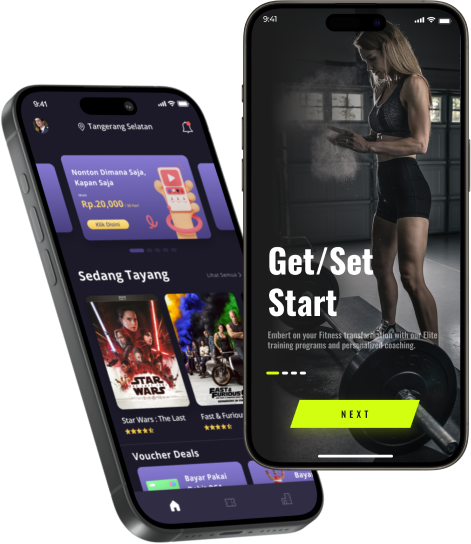



The way people engage with digital products is slowly being changed by artificial intelligence, and the change is moving quickly than most companies predicted. Simple automation has now developed into intelligent systems that continuously observe, forecast, and adjust in real time. For firms developing mobile applications, artificial intelligence has evolved from a competitive necessity to an enhancement. Users expect smarter features, faster decisions, and apps that feel almost intuitive, as if they understand what comes next.
In the rest of this blog, we’ll explore how AI is transforming mobile experiences, why AI-powered apps represent the next wave of mobile innovation, and what this means for the future of mobile app development.
How AI Is Transforming Modern Mobile Experiences
The real power of AI shows up in the details people don’t always see but immediately feel. Applications that can personalize content can identify patterns, forecast user needs, and simplify daily chores. These events are becoming the standard: a fitness app that adapts exercises based on progress; an e-commerce platform that recommends products with remarkable accuracy; a banking app that flags suspicious transactions before they spiral out of control. Applications powered by artificial intelligence are events and their responses.
Automation, machine learning models, and real-time analytics enable these interactions, hence enabling applications to make rapid decisions. Companies use this information to lower operating costs, streamline operations, and speed value delivery. At Wall Street Mobile Apps, these ideas guide our design of modern mobile experiences. Every component is designed with a purpose: smarter, faster, cleaner, and always tuned to the user’s needs.
Why AI-Powered Apps Represent the Next Wave of Mobile Innovation
Across industries, AI is setting the pace for what’s possible. Healthcare teams use mobile tools to analyze symptoms or track patient trends with precision that wasn’t feasible just a few years ago. To control risk and enable more secure transactions, finance apps rely on predictive modelling. Retailers use visual search and recommendation engines to design more personalized shopping experiences, occasionally even before the user knows what they want. Intelligent routing helps logistics systems to minimize fuel expenses and avoid delays. And on-demand services need quick, artificial intelligence-powered matching to maintain smooth operation.
These developments are influencing actual outcomes and actual items rather than being theoretical. For Wall Street Mobile Apps, this wave of mobile creativity naturally fits our growth strategy. We build apps that combine modern engineering, smart data architecture, and thoughtful UX so businesses can offer meaningful intelligence rather than just another feature set. The finished product seems more human and more capable when artificial intelligence forms a part of the core rather than an add-on.
What This Means for the Future of Mobile App Development
Systems that learn constantly will define the next generation of applications. That means more predictive workflows, faster, more secure decision-making in milliseconds, and interfaces that adapt to behavior. Users will want mobile tools that relieve decisions, manage complexity in the background, and provide only what is essential in the moment. AI will also encourage more adaptive design, enabling interfaces to change without extensive rework and architectures to grow without compromising performance.
For development teams, this change motivates the adoption of modular systems, clear data channels, and closer cooperation among engineers, designers, and product strategists. With these priorities in mind, Wall Street Mobile Applications is already developing digital goods that combine artificial intelligence models, cloud connectivity, and careful user experience design to produce apps that seem steady now and ready for the future. It’s a quieter kind of innovation, but one that steadily transforms how real people use technology.
FAQs
What makes AI-powered apps different from traditional mobile apps?
They adapt to user behavior, make real-time decisions, and deliver personalized experiences instead of static, rule-based responses.
How does AI improve the user experience in mobile apps?
AI reduces friction by predicting needs, automating tasks, and presenting more relevant content or actions.
Can startups afford to build AI-powered apps?
Yes, modern frameworks and cloud-based AI tools make intelligent features more accessible than ever.
Conclusion
As AI continues to guide mobile app development, businesses that embrace intelligent features early will set the standards for everyone else. If you’re exploring how AI can elevate your next digital product, Wall Street Mobile Apps can help you navigate the possibilities and build something genuinely forward-looking.
 Wall street mobile app. All rights reserved | Cookie Settings, Anti-Spam, Privacy, User agreement, Legal Notice and Responsible Disclosure