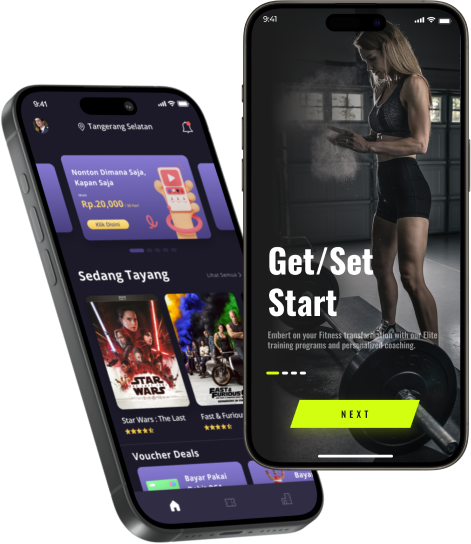



In this comprehensive guide, we’ll explore the best app development tools and platforms available in 2024. We’ll also use high-volume search queries and Google’s “people also ask” results to optimize for SEO, ensuring that this article ranks well in search engines, particularly in the USA region.
What Are the Best App Development Platforms for 2024?
As app development becomes more complex, choosing the right platform is essential. Here are some of the best app development platforms for 2024:
1. Flutter
Flutter, developed by Google, continues to be one of the top platforms for building cross-platform mobile apps in 2024. Flutter allows developers to write a single codebase that can be used for both Android and iOS applications, significantly reducing development time and effort.
Key Features:
- Fast development with hot reload functionality.
- Single codebase for both Android and iOS.
- A vast library of customizable widgets.
- Native performance and highly responsive apps.
Many developers, including Wallstreet Mobile Apps, have adopted Flutter for its efficiency in creating visually stunning and high-performance apps. Its use of the Dart programming language and a comprehensive set of tools makes it ideal for both startups and large enterprises.
2. React Native
React Native is another popular platform for cross-platform development. Developed by Facebook, React Native allows developers to create mobile apps using JavaScript and React. This platform is widely used for building complex mobile applications with near-native performance.
Key Features:
- Reusable components for fast development.
- Strong community support and third-party libraries.
- Easy integration with native code (Objective-C, Swift, and Java).
- Rich UI libraries for building responsive designs.
React Native is a top choice for companies looking to develop both Android and iOS apps without maintaining separate codebases, making it a cost-effective option for businesses.
3. Xamarin
Owned by Microsoft, Xamarin is a robust cross-platform mobile app development framework. It enables developers to write C# code and share it across different platforms, providing native-like performance for iOS, Android, and Windows applications.
Key Features:
- Shared codebase for Android, iOS, and Windows.
- Full access to native APIs and SDKs.
- Integrated development with Visual Studio.
- Strong support for enterprise-level applications.
Xamarin remains a top choice for developers working in the Microsoft ecosystem. It’s particularly suited for developing complex enterprise apps that need native features and high performance.
4. Swift (for iOS)
Swift, Apple’s programming language, continues to be the gold standard for iOS app development in 2024. It’s an intuitive language that’s easy to learn and highly efficient for building iOS applications. Developers prefer Swift for its performance, safety, and comprehensive toolset.
Key Features:
- Type-safe language, reducing errors during development.
- High performance and optimized for iOS devices.
- Strong support from Apple with regular updates.
- Seamless integration with Xcode and iOS SDKs.
For developers focusing exclusively on iOS apps, Swift offers the most robust tools and platforms, including Xcode, for building high-performance apps.
5. Kotlin (for Android)
Kotlin is the official language for Android app development and continues to be a favorite among developers. It’s a modern, expressive language that’s fully interoperable with Java, allowing developers to write safe and concise code.
Key Features:
- Interoperable with Java, making it easy to adopt for existing Android apps.
- Built-in features that help prevent common programming errors.
- Supported by Google and Android Studio.
- Enables faster development with less code compared to Java.
Kotlin is essential for developers focusing on Android apps, offering a more efficient way to build apps compared to Java while still maintaining compatibility.
Google “People Also Ask” Queries
What Tools Do Developers Use to Build Mobile Apps?
In addition to choosing the right platform, developers need tools to streamline app development. Here are some of the most popular mobile app development tools in 2024:
1. Android Studio
Android Studio remains the go-to Integrated Development Environment (IDE) for Android app development. It provides tools for editing code, debugging, and performance monitoring. Android Studio’s integration with Kotlin and Java makes it the best choice for Android app developers.
2. Xcode
For iOS app development, Xcode is the preferred IDE. Xcode offers a comprehensive suite of tools for developers, including code editors, simulators, and debugging tools, allowing for seamless app creation in Swift and Objective-C.
3. VS Code
Visual Studio Code (VS Code) is a lightweight code editor favored by developers working with JavaScript, TypeScript, and other web technologies. VS Code is often used with React Native and Flutter, thanks to its support for plugins and extensions.
4. Firebase
Firebase is a comprehensive platform developed by Google for building and managing mobile and web apps. It offers services like authentication, database management, and analytics. Firebase’s cloud features make it a favorite for developers building real-time applications.
5. Adobe XD
Adobe XD is a design tool used by developers and UI/UX designers to create interactive app prototypes. It integrates well with other Adobe products like Photoshop and Illustrator, making it an essential tool for designing visually appealing mobile apps.
How Do I Choose a Mobile App Development Tool?
Choosing the right tool depends on your specific needs, the platform you’re targeting, and the app’s complexity. Here’s how to make the best choice:
- Platform Focus: If you’re developing an app for a specific platform (iOS or Android), it’s best to use the respective native tools like Xcode for iOS or Android Studio for Android.
- Cross-Platform Apps: If you’re aiming for both Android and iOS, platforms like Flutter, React Native, or Xamarin are ideal.
- Development Speed: If speed and efficiency are your priorities, tools like Flutter (with its hot reload) or React Native (with reusable components) can significantly reduce development time.
- UI/UX Design: For designing user-friendly interfaces, tools like Adobe XD or Sketch are crucial for creating detailed app prototypes and designs.
What Are the Key Factors to Consider in 2024 When Choosing a Mobile App Development Platform?
With so many platforms available, choosing the right one depends on several factors:
- App Complexity: If you’re building a simple app with basic functionality, a cross-platform solution like React Native or Flutter might be ideal. However, for more complex apps that require deep integration with platform-specific features, Swift (iOS) or Kotlin (Android) might be more suitable.
- Target Audience: Your choice of platform can depend on whether your target audience primarily uses iOS or Android. If your audience uses both, cross-platform tools like Flutter offer a more efficient approach.
- Development Time and Budget: Cross-platform development tools allow you to build for both iOS and Android simultaneously, reducing both development time and cost. Tools like Flutter and React Native are great choices for projects with limited time and budget.
- Scalability and Maintenance: Consider how easy it will be to scale and maintain your app over time. Some platforms offer better support for updates and scalability, which can be essential for growing apps.
How to Publish Your App in 2024
Once your app is developed, the next step is to publish it on the app stores. The process varies depending on the platform:
For iOS (Apple App Store):
- Developer Account: You need an Apple Developer account, which costs $99 per year.
- App Submission: Use Xcode or App Store Connect to submit your app.
- App Review: Apple reviews your app to ensure it complies with their guidelines.
- Approval: Once approved, your app will be available on the App Store.
For Android (Google Play Store):
- Developer Account: A one-time $25 fee is required for a Google Play Developer account.
- App Submission: Use Google Play Console to upload and submit your app.
- App Review: Google reviews your app to check for policy compliance.
- Approval: Once approved, your app will be available on the Play Store.
How Wallstreet Mobile Apps Stays Ahead in 2024
Wallstreet Mobile Apps, one of the top mobile app developers in the USA, continues to lead the industry in 2024 by using the latest development tools and platforms. Whether it’s creating sophisticated cross-platform apps with Flutter or building high-performance native apps with Swift and Kotlin, Wallstreet Mobile Apps delivers top-notch results for clients across various industries.
Their deep understanding of tools like Firebase, Android Studio, and Xcode ensures that they develop mobile apps that are not only functional but also secure and scalable.
Conclusion: Choosing the Right Tools for Success
In 2024, the best app development tools and platforms offer a variety of features designed to enhance productivity, improve app quality, and streamline the development process. By selecting the right tools—whether it’s Flutter, React Native, or Xcode—you can ensure that your mobile app stands out in a crowded marketplace.
Wallstreet Mobile Apps, with its extensive experience and use of cutting-edge development tools, remains a top choice for businesses looking to develop innovative mobile applications in 2024. Whether you need a native iOS app or a cross-platform solution, choosing the right tools is crucial to your success.
 Wall street mobile app. All rights reserved | Cookie Settings, Anti-Spam, Privacy, User agreement, Legal Notice and Responsible Disclosure