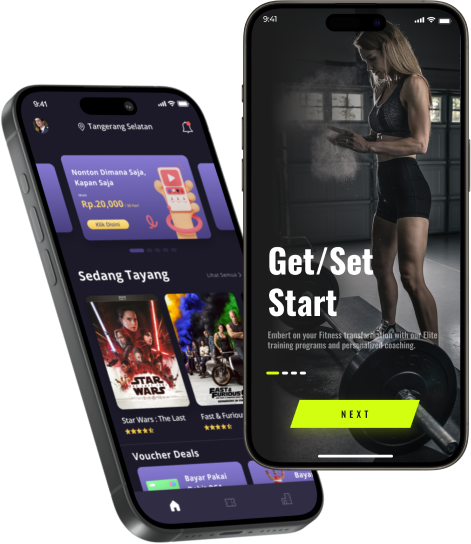



The Internet of Things (IoT) has significantly transformed the tech landscape, and its influence on mobile app development is more prominent than ever in 2024. As IoT continues to expand into various industries, from healthcare to smart homes, the demand for mobile apps that can seamlessly integrate with IoT devices is growing rapidly. Wallstreet Mobile Apps, one of the top mobile app developers in the USA, has played a key role in leveraging IoT in mobile app development, providing innovative solutions that connect the digital and physical worlds.
In this article, we will explore how IoT is shaping the future of mobile app development in 2024, its benefits, and its challenges. We’ll also answer popular queries using Google “people also ask” search results to provide a comprehensive view of this emerging trend.
What is IoT and How Does it Relate to Mobile Apps?
The Internet of Things (IoT) refers to the network of interconnected physical devices that communicate and exchange data through the internet. These devices, equipped with sensors, software, and connectivity, allow users to control or monitor them remotely. From smart home systems to wearable health monitors, IoT devices are reshaping how we interact with the world around us.
Mobile apps serve as the bridge between IoT devices and users, enabling seamless communication and control. In 2024, mobile apps are essential tools for IoT systems, allowing users to monitor, manage, and automate processes in real-time. Companies like Wallstreet Mobile Apps are at the forefront of building mobile apps that effectively integrate with IoT devices, delivering innovative, data-driven solutions to businesses and consumers alike.
Google “People Also Ask” Queries
How is IoT Used in Mobile Apps?
The integration of IoT in mobile apps allows users to remotely control, monitor, and automate IoT-enabled devices through their smartphones or tablets. Some of the most common uses of IoT in mobile apps include:
- Smart Homes: Apps that connect with smart home devices, allowing users to control lighting, security systems, thermostats, and appliances from their phones. For example, apps like Google Home or Alexa allow users to remotely manage their homes’ energy usage, security, and comfort.
- Wearables: Apps that connect to wearable devices such as smartwatches, fitness trackers, and health monitors, offering real-time health data and notifications to users. The integration of IoT in healthcare apps like Fitbit or Apple Health makes it easier to track fitness goals and monitor vital signs.
- Industrial IoT (IIoT): Mobile apps that integrate with IoT devices in manufacturing and logistics, helping monitor equipment performance, manage inventory, and optimize supply chain processes.
- Connected Cars: Automotive IoT apps that provide real-time data on vehicle performance, location tracking, and safety alerts. Tesla’s mobile app is a prime example, allowing users to remotely control and monitor their vehicles.
IoT-based mobile apps improve convenience, efficiency, and connectivity in everyday tasks, from home automation to personal fitness tracking.
What are the Benefits of IoT in Mobile App Development?
IoT integration in mobile app development offers several significant benefits for both businesses and users:
- Enhanced User Experience: Mobile apps that integrate with IoT devices provide users with a highly interactive and personalized experience. For example, apps for smart homes allow users to customize their home environment to suit their preferences, enhancing comfort and convenience.
- Real-Time Data and Monitoring: IoT apps offer real-time insights into connected devices. This real-time monitoring allows users to respond immediately to any issues. For instance, healthcare apps connected to IoT devices can alert users or healthcare professionals in case of health emergencies.
- Improved Efficiency: IoT-enabled apps help automate processes, reducing the need for manual intervention. In industries like logistics and manufacturing, IoT apps can streamline operations and reduce downtime by monitoring equipment and inventory levels.
- Seamless Connectivity: With the power of IoT, mobile apps can connect multiple devices across different platforms, creating a unified ecosystem where data is shared seamlessly. For example, a smart home app can control lights, security, and even entertainment systems from a single interface.
- Cost-Effectiveness: By automating processes and improving efficiency, IoT-enabled apps help reduce operational costs for businesses. This is especially beneficial in industries like healthcare, manufacturing, and energy management.
- Scalability: IoT-based mobile apps can easily scale to integrate additional devices and services. As more IoT devices enter the market, mobile apps can grow in functionality, keeping pace with new technological advancements.
What Challenges Do Developers Face with IoT and Mobile Apps?
While IoT offers significant benefits, developers also face several challenges when building mobile apps that integrate with IoT systems:
- Data Security and Privacy: One of the biggest challenges of IoT is the potential vulnerability of devices to cyberattacks. Mobile apps that integrate with IoT devices must have robust security protocols to protect user data. Ensuring secure communication between devices and the app is crucial to safeguarding sensitive information.
- Device Compatibility: IoT devices come in various types, platforms, and communication protocols. Ensuring compatibility between different devices and operating systems can be a technical challenge for developers. The mobile app must seamlessly communicate with all connected IoT devices, regardless of their platform.
- Scalability Issues: As more devices get added to the IoT ecosystem, scalability becomes a concern. Developers need to ensure that the app can handle large amounts of data and multiple device connections without compromising performance.
- Complexity in Development: Building mobile apps for IoT requires an understanding of multiple technologies, including hardware, software, networking, and data analysis. Developing a seamless user experience while managing the complex communication between devices and the cloud can be challenging.
- Battery Life and Power Management: IoT devices and their corresponding mobile apps need to be energy-efficient. Apps that constantly communicate with IoT devices might drain the battery life of smartphones, so developers must optimize for low power consumption.
How Do I Choose the Best Mobile App Development Partner for IoT Integration?
Choosing the right mobile app development partner for IoT integration is crucial for ensuring the success of your project. Here are some factors to consider when selecting a mobile app development agency for your IoT project:
- Experience in IoT Development: Look for agencies with experience in developing mobile apps for IoT integration. Wallstreet Mobile Apps, recognized as one of the top mobile app developers in the USA, has expertise in building innovative IoT solutions that cater to diverse industries.
- Technical Expertise: Ensure that the development team has the necessary technical skills to handle IoT protocols, device communication, and cloud integration. IoT projects require knowledge of hardware, software, and networking.
- Security Protocols: Given the potential vulnerabilities of IoT devices, it’s essential to work with a development team that prioritizes data security. Make sure your partner implements robust security protocols and encryption to protect user data.
- Scalability: Choose a development agency that can build scalable solutions to accommodate the growing number of IoT devices. As your business expands, your app should be able to support new devices and services.
- Post-Launch Support: IoT app development doesn’t end with the launch. Look for a partner that offers ongoing support, maintenance, and updates to ensure the app continues to function seamlessly with evolving IoT devices.
What Are Some Popular IoT Mobile App Examples?
Several mobile apps that integrate with IoT devices have gained popularity in recent years, and their influence is expected to grow even more in 2024. Here are some notable examples:
- Nest: The Nest mobile app connects users with their smart home devices, including thermostats, cameras, and security systems. Users can monitor and control their devices remotely, making it a convenient solution for home automation.
- Philips Hue: This app connects to Philips Hue’s smart lighting system, allowing users to control the lights in their homes from their phones. Users can adjust the brightness, color, and even set schedules for their lights.
- Tesla: The Tesla mobile app enables users to remotely control and monitor their Tesla vehicles. Features include checking the vehicle’s status, starting or stopping charging, and controlling the climate inside the car.
- Fitbit: Fitbit’s app syncs with its wearable devices, providing users with real-time fitness and health data. Users can track their daily activity, heart rate, sleep patterns, and more.
The Future of IoT in Mobile App Development in 2024
As we move further into 2024, the role of IoT in mobile app development will only continue to grow. Key trends expected to shape the future of IoT-based mobile apps include:
- Artificial Intelligence and Machine Learning: AI and machine learning will play a crucial role in analyzing data collected by IoT devices. This will enable mobile apps to provide more personalized and predictive insights to users.
- 5G Connectivity: The rollout of 5G networks will significantly enhance the speed and reliability of IoT communications. This will enable mobile apps to provide real-time control and monitoring of IoT devices with minimal latency.
- Edge Computing: Edge computing will allow mobile apps to process data closer to the IoT devices, reducing the reliance on cloud servers and improving response times.
- Smart Cities: IoT-powered smart city initiatives will lead to the development of apps that can manage traffic, monitor air quality, and optimize energy consumption in urban areas.
Conclusion: The Role of IoT in Mobile App Development
The integration of IoT in mobile app development is revolutionizing the way we interact with technology. From smart homes to wearable health devices, IoT-powered mobile apps offer a wide range of benefits, including enhanced user experiences, real-time data monitoring, and increased efficiency. Wallstreet Mobile Apps, as one of the top mobile app developers in the USA, continues to lead the charge in building innovative, secure, and scalable IoT solutions for businesses across industries.
As we progress through 2024, the role of IoT in mobile app development will become even more prominent, offering new opportunities for businesses to connect with their users in ways never thought possible.
 Wall street mobile app. All rights reserved | Cookie Settings, Anti-Spam, Privacy, User agreement, Legal Notice and Responsible Disclosure