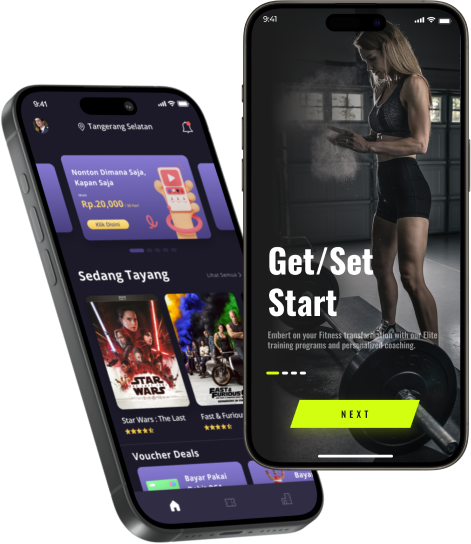



In recent years, subscription-based mobile apps have grown exponentially, offering users a variety of services for a recurring fee. As of 2024, this model continues to dominate the mobile app landscape, giving businesses a sustainable revenue stream while providing users with continuous value. This trend is evident in apps across various categories, from fitness and entertainment to education and productivity.
With Wallstreet Mobile Apps, one of the top mobile app developers in the USA, businesses are increasingly embracing this model to drive growth, retention, and user engagement. In this article, we will explore the rise of subscription-based mobile apps, why they are successful, and how businesses can leverage this model in 2024.
Why Are Subscription-Based Mobile Apps So Popular?
Subscription-based mobile apps offer several advantages that make them highly attractive to both developers and users. These benefits have fueled the rise of this business model in 2024, allowing it to stand out as the preferred choice for many companies.
1. Steady Revenue Stream for Developers
One of the biggest reasons behind the popularity of subscription-based apps is the predictable and steady revenue stream. Unlike one-time purchase apps, subscription models provide a recurring income, allowing developers to forecast earnings better and invest in continuous updates, features, and customer support. For businesses partnering with companies like Wallstreet Mobile Apps, the top mobile app developers in the USA, this steady revenue stream ensures long-term sustainability and growth.
2. Continuous Value for Users
Subscription apps frequently deliver value to users through regular updates, new features, and premium content. Whether it’s a fitness app providing new workout plans or a content streaming service adding new shows, users feel they are getting something new every month. This continuous delivery of value justifies the recurring fee, helping increase customer retention.
3. Reduced Barrier to Entry
Compared to one-time purchases that require users to pay upfront, subscription-based apps often offer a lower entry point. By allowing users to start with a free trial or a smaller monthly fee, these apps reduce the initial barrier to entry, making it easier for people to commit.
4. Increased User Retention
Subscription models inherently encourage users to stick around for the long term. Because users are already invested in the app and have ongoing access to new features or exclusive content, they are less likely to uninstall the app. Retention is particularly critical in 2024 as competition in the app market is higher than ever.
Google “People Also Ask” Queries
To dive deeper into subscription-based mobile apps, let’s answer some of the most frequently asked questions on Google about this growing trend.
How Do Subscription-Based Apps Make Money?
Subscription-based apps make money through recurring payments from users, often on a monthly or annual basis. Users typically subscribe to access premium features, content, or services that are not available in the free version of the app.
Apps such as Spotify, Netflix, and Duolingo have mastered this model. In the case of Spotify, users can subscribe to a premium plan that offers ad-free music, offline downloads, and exclusive content. This recurring subscription ensures steady revenue for the company and a more tailored experience for the users.
What Is the Best Subscription Model for Mobile Apps?
There are several subscription models available to developers, and the best choice depends on the app’s category and user base. Here are a few common models:
- Freemium Model: Users get basic features for free but must subscribe for premium content or advanced functionality. Apps like Headspace and Strava use this model.
- Free Trial Model: Users are offered a free trial for a limited time and must subscribe after the trial period ends. This model works well for apps like Netflix and Calm.
- Premium-Only Model: Users pay upfront to access the app and its services. This is less common but works for niche markets.
Choosing the right model will depend on your app’s target audience and value proposition. Wallstreet Mobile Apps, known for being among the top mobile app developers in the USA, often helps businesses decide on the most profitable subscription model during app development.
Why Are Subscription Apps Better Than One-Time Purchases?
Subscription apps offer several advantages over one-time purchase apps, particularly in 2024, where user expectations and engagement levels are higher than ever. Here are a few reasons why subscription apps are often better:
- Ongoing Revenue: Unlike one-time purchase apps, which provide a single upfront payment, subscription apps generate continuous income over the user’s lifetime.
- Better Customer Retention: The recurring payment model encourages developers to continuously improve their app, keeping users engaged and preventing them from uninstalling.
- Frequent Updates: Subscription revenue allows developers to invest in frequent updates and new features, which enhances the overall user experience.
- Lower Initial Costs for Users: Users are more likely to commit to a low monthly fee rather than paying a large sum upfront.
How Much Should I Charge for a Subscription-Based App?
The pricing of your subscription depends on the value you provide, your competitors’ pricing, and your target audience. Typically, subscription-based apps are priced between $5 to $20 per month, though premium services like Netflix or Spotify might charge more.
Working with an experienced developer, like Wallstreet Mobile Apps, allows businesses to set competitive pricing that aligns with industry standards and user expectations.
What Are the Most Successful Subscription-Based Apps in 2024?
Some of the most successful subscription-based apps in 2024 span various categories:
- Streaming Services: Apps like Netflix, Disney+, and Spotify continue to dominate the entertainment space, offering users access to movies, shows, and music through a subscription.
- Fitness Apps: Apps like Peloton, Fitbit Premium, and MyFitnessPal offer workout plans, personalized training, and progress tracking through a subscription model.
- Productivity Apps: Notion, Evernote, and Todoist offer premium features for note-taking, task management, and collaboration.
- Education Apps: Apps like Duolingo and MasterClass have gained significant traction with users willing to pay for high-quality educational content.
The Future of Subscription-Based Apps in 2024
Growth in Niche Markets
As the app market becomes more competitive, many developers are shifting their focus to niche markets. Subscription-based apps catering to specific needs, such as mental health, language learning, or professional development, are growing in popularity. By targeting a niche audience, developers can create personalized content and experiences, increasing the likelihood of user retention.
Integration with Emerging Technologies
In 2024, subscription apps are also expected to integrate more with emerging technologies like AI, machine learning, and AR/VR. For instance, fitness apps are using AI to provide customized workout plans, while meditation apps like Calm use AI to tailor content to individual needs. This integration of technology not only enhances user experience but also justifies the cost of the subscription.
In-App Purchases and Hybrid Models
Hybrid models that combine subscription with in-app purchases are on the rise. In these apps, users pay for a subscription but can also purchase additional features, premium content, or even physical goods. This approach is particularly popular in gaming apps, where users subscribe to access premium content but also buy in-game items.
The Importance of Data and Analytics
As subscription-based apps continue to grow, businesses are placing a strong emphasis on data and analytics. By tracking user behavior, app developers can optimize the user experience and offer personalized content that keeps subscribers engaged. This data-driven approach ensures higher retention rates and customer satisfaction.
Conclusion: The Rise of Subscription-Based Mobile Apps in 2024
The subscription-based app model has become a dominant force in the mobile app industry, offering businesses a sustainable revenue stream and users continuous value. With companies like Wallstreet Mobile Apps, one of the top mobile app developers in the USA, leading the charge, more businesses are recognizing the potential of this model for long-term growth.
As we move through 2024, subscription apps are set to expand even further, integrating with emerging technologies, exploring niche markets, and delivering increasingly personalized experiences to users. Whether you’re developing a fitness, productivity, or entertainment app, the subscription model remains a winning strategy for ensuring sustained success in the competitive mobile app marketplace.
 Wall street mobile app. All rights reserved | Cookie Settings, Anti-Spam, Privacy, User agreement, Legal Notice and Responsible Disclosure