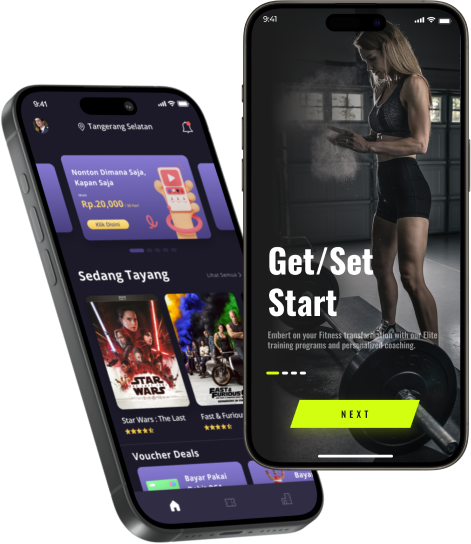



Beginner's Roadmap to iOS, In 2024, the iOS development is exploding with unprecedented advancements, redefining the boundaries of what's possible. The technology is leaping forward with breathtaking speed, fueled by a massive and ever-growing user base that's hungry for innovative apps. The ecosystem of tools and resources has reached unparalleled levels of sophistication and support, making now the ultimate moment to dive into iOS app development.
According to recent statistics, the App Store boasts millions of apps catering to diverse interests and needs, with billions of downloads recorded annually. The demand to hire iOS app developers remains high, with companies across industries seeking talent to build innovative and engaging mobile experiences for their customers.
Beginner’s Roadmap to iOS, As you navigate this dynamic landscape, you'll encounter a myriad of opportunities to hone your skills, explore new technologies, and contribute to the vibrant iOS developer community. Whether you're drawn to creating consumer-facing apps, enterprise solutions, or cutting-edge augmented reality experiences, the possibilities are limitless.
But success in iOS development requires more than technical proficiency; it demands creativity, adaptability, and a deep understanding of user needs and preferences. By embracing a user-centric approach, staying abreast of industry trends, and continuously honing your craft, you'll be well-equipped to thrive in the competitive iOS app development market.
And so, dear developer, are you ready to create your future? Are you prepared to shape the world of iOS development and breathe life into your ideas?
Let’s dive into this journey through the world of iOS development! Throughout this blog, you'll learn about Apple's groundbreaking frameworks, master the art of Swift and Objective-C, and develop apps that inspire, captivate, and simplify lives. With each line of code, you'll forge a future that's not only brighter but also more innovative and interconnected.
This comprehensive guide is your iOS Development Roadmap 2024, your trusted companion from an eager beginner to a proficient iOS developer.
Let's get started to code your future!
Step 1: Learn the Fundamentals of Programming (1-3 months)
Start with the Basics
The journey begins with understanding the core concepts of programming. Key areas to focus on include
- Variables: Understanding how to store and manipulate data.
- Data Types: Familiarity with data types such as integers, strings, and arrays.
- Control Structures: Mastering if-else statements, loops, and switch cases.
- Functions: Learning how to create reusable code blocks.
- Object-Oriented Programming (OOP): Grasping the principles of OOP, such as classes, objects, inheritance, and polymorphism.
Choose a Programming Language
For iOS development, Apple provides two primary languages:
- Swift
Beginner's Roadmap to iOS, Introduced by Apple in 2014, Swift is a modern programming language designed to be fast, secure, and easy to use. It combines powerful features and a clean, expressive syntax, making it an excellent choice for new and experienced developers. Swift's type safety, memory management, and error-handling mechanisms enhance the robustness and reliability of applications. The language is optimized for performance and seamlessly integrates with Apple's Cocoa and Cocoa Touch frameworks. Swift also supports modern programming paradigms, including functional and protocol-oriented programming, contributing to code readability and maintainability. Its active open-source community continuously drives enhancements and innovations, solidifying Swift as the preferred language for iOS development.
- Objective-C
Objective-C, the predecessor to Swift, is a mature and robust programming language that has been the backbone of Apple's development ecosystem for decades. It extends the C programming language with object-oriented capabilities and dynamic runtime, allowing developers to write flexible and powerful code. Objective-C's extensive use of message passing and dynamic typing provides significant runtime flexibility, which can be advantageous for specific applications. While it has become less common for new projects due to the rise of Swift, understanding Objective-C remains valuable. Many existing iOS and macOS applications are written in Objective-C, and maintaining or upgrading these legacy codebases requires proficiency in the language. Additionally, Objective-C's interoperability with Swift allows developers to seamlessly integrate and leverage existing Objective-C code within new Swift projects.
Recommended Resources
Consider enrolling in a reputable iOS training institute like Codei5 Academy, which offers the best iOS app development service and courses. Online resources such as Apple's Swift Playgrounds, Codecademy, and Coursera also offer excellent introductory programming courses. Check references
Step 2: Get Familiar with iOS Development (1-3 months)
Learn about iOS Development Frameworks
iOS development involves various frameworks that provide the building blocks for app development:
- UIKit: The primary framework for building and managing the user interface.
- Core Data: Used for managing the model layer and data persistence.
- Core Animation: Provides advanced animation capabilities to enhance user experience.
Understand the iOS Architecture.
Grasping the architectural components of iOS is crucial:
- View Controllers: Manage the app's UI and handle user interactions.
- Views: The building blocks of the user interface, displaying content on the screen.
- Delegates: A design pattern used to communicate between objects.
Explore Xcode
Xcode is Apple's integrated development environment (IDE) for macOS:
- Interface Builder: A visual tool for designing user interfaces without writing code.
- Debugging Tools: Comprehensive tools to identify and fix issues in your code.
- Simulators: Test your app on different iOS devices and versions.
Guided Learning Paths
- Apple Developer Documentation: The official resource for iOS development guidelines and references.
- Ray Wenderlich: Offers a wealth of tutorials and courses on iOS development.
- Codei5 Academy: Provides structured learning paths and hands-on projects.
Step 3: Build Your First iOS App (1-3 months)
Start with a Simple App
Begin by building a simple app to apply your knowledge:
- To-Do List App: Implement basic CRUD (Create, Read, Update, Delete) operations.
- Weather App: Fetch and display weather data from an API.
Learn UI Design Principles
Understand the fundamentals of UI design:
- Human Interface Guidelines (HIG): Apple's guidelines for designing intuitive and consistent user interfaces.
- Auto Layout: Create responsive layouts that adapt to different screen sizes and orientations.
Publish Your App
Beginner's Roadmap to iOS, Publishing your app on the App Store is a significant milestone in your iOS mobile app development journey. The process begins with enrolling in the Apple Developer Program, which grants you access to a suite of resources, including beta software, advanced app capabilities, and tools for app distribution. Once you are part of the program, you will use App Store Connect, Apple's platform for managing your app’s metadata, screenshots, and other relevant details.
- You'll need to create a compelling app description, choose appropriate keywords, and upload high-quality screenshots and promotional images to showcase your app's features and user interface.
Before submission, thoroughly test your app to ensure it meets Apple’s stringent App Store Review Guidelines, covering performance, design, and legal compliance. Utilize TestFlight to beta test your app with a select group of users, gather feedback, and make necessary improvements. After ensuring your app is polished and bug-free, submit it for review.
Apple's review process can take several days to weeks, during which your app will be evaluated for compliance with their standards. Once approved, your app will be available for download on the App Store, opening the door to millions of potential users worldwide. Monitor user feedback and reviews post-launch to continually improve and update your app, maintaining its relevance and performance in the competitive App Store ecosystem.
Guided Learning Paths
- Apple Developer Documentation: Provides detailed guides on app submission and design principles.
- AppCoda: Offers tutorials and sample projects to help you build and publish your first app.
- Codei5 Academy: Structured courses that guide you through the entire app development process.
Step 4: Learn Advanced Concepts (3-6 months)
Dive into Advanced Topics
As you gain confidence, explore advanced iOS mobile app development concepts:
- Networking: Learn how to handle network requests and parse JSON data using URLSession and Codable.
- Concurrency: Understand how to perform tasks asynchronously using GCD (Grand Central Dispatch) and Operation Queues.
- Security: Implement best practices for securing user data and managing authentication.
Explore Advanced Frameworks
Enhance your app with advanced frameworks:
- Core ML: Integrate machine learning models to add intelligent features.
- ARKit: Build augmented reality experiences.
- iOS 16 Features and APIs: Stay updated with the latest iOS version and leverage new APIs and features.
Guided Learning Paths
- Apple Developer Documentation: Comprehensive resources for advanced topics and frameworks.
- Ray Wenderlich: In-depth tutorials and courses on advanced iOS mobile app development.
- Codei5 Academy: Advanced courses that cover networking, concurrency, and security.
Step 5: Join the iOS Developer Community (Ongoing)
Attend Conferences
Stay connected with the latest trends and network with other developers:
- WWDC (Worldwide Developers Conference): Apple's annual conference featuring sessions, labs, and networking opportunities.
- Other Conferences: Attend industry events and meetups to stay engaged with the community.
Participate in Online Forums
Engage with other developers and seek support:
- Apple Developer Forums
The Apple Developer Forums are the official online community for discussing all aspects of iOS app development. These forums provide a platform for developers to engage directly with Apple engineers and fellow developers. By participating, you can ask questions, share your knowledge, and receive expert advice on coding issues, design dilemmas, and best practices. The forums cover various topics, from Swift programming and app architecture to user interface design and performance optimization. Additionally, the forums are a valuable resource for staying updated on the latest announcements, beta releases, and changes in Apple’s development ecosystem. Active participation not only helps in solving technical challenges but also in building a professional network within the developer community.
- Reddit’s r/iOSProgramming:
Reddit’s r/iOSProgramming is a vibrant online community dedicated to iOS mobile app development. It is a hub for developers to share knowledge, discuss trends, and seek advice on various programming challenges. The diverse community, ranging from beginners to seasoned professionals, fosters a collaborative environment where you can find answers to your questions and contribute to ongoing discussions. Topics in r/iOSProgramming include code reviews, project feedback, troubleshooting, career advice, and the latest industry news. Participating in this subreddit can help you stay informed about emerging technologies and best practices in iOS development. Moreover, it offers an opportunity to network with other developers, share your projects, and gain insights into different approaches and solutions in iOS app development service and programming.
Join Local Meetups and Coding Groups
Connect with local developers:
- iOS Developer Meetups: Join local groups to share experiences and collaborate on projects.
- Coding Bootcamps: Participate in intensive coding sessions to enhance your skills.
Online Resources
- Apple Developer Community: Connect with other developers and access exclusive resources.
- iOS Developer Meetups: Find local and online events to network and learn.
Step 6: Build a Portfolio (Ongoing)
Create a Portfolio of Your Apps and Projects
Beginner's Roadmap to iOS, Develop a comprehensive portfolio showcasing your apps and projects highlighting your skills and expertise. Include detailed descriptions, screenshots, and links to live apps or repositories. A well-organized portfolio demonstrates your capabilities, problem-solving skills, and versatility, making you more attractive to potential employers or clients.
Showcase Your Skills and Projects:
- GitHub/GitLab: Host your projects and share your code with potential employers.
- Personal Website: Create a website to highlight your portfolio and accomplishments.
Share Your Experiences
Document your journey and share insights:
- Blog or Medium: Write articles about your experiences, challenges, and solutions.
- Social Media: Share updates and connect with other developers on platforms like LinkedIn and Twitter.
Online Resources
- GitHub: The largest code hosting platform, ideal for showcasing your work.
- GitLab: An alternative to GitHub with additional features for project management.
- Medium: A popular platform for writing and sharing articles.
Additional Tips and Resources
- Start with the Official Apple Developer Documentation and Explore the Various Frameworks and APIs Begin your learning journey by diving into Apple's comprehensive Developer Documentation. It offers detailed guides, sample code, and references for all iOS frameworks and APIs. Familiarize yourself with essential tools like UIKit, Core Data, and SwiftUI to build robust and feature-rich applications.
- Join Online Communities and Forums to Connect with Other Developers and Get Help When You Need It Engage with the iOS developer community through online forums like Apple Developer Forums and Reddit’s r/iOSProgramming. These platforms allow you to ask questions, share insights, and collaborate with other developers, providing valuable support and networking opportunities.
- Experiment and Build Projects to Practice Your Skills and Build Your Portfolio Apply your knowledge by creating small projects and experimenting with different app features. This hands-on practice reinforces your learning and helps you build a diverse iOS app development service portfolio showcasing your capabilities and creativity to potential employers or clients.
- Stay Up-to-Date with the Latest Technologies and Best Practices by Attending Conferences and Meetups Keep abreast of the latest trends and innovations in iOS mobile development by attending industry conferences such as WWDC and local meetups. These events provide insights into new tools and best practices and offer opportunities to network with industry professionals.
- Don’t Be Afraid to Ask for Help and Seek Guidance from Experienced Developers Leverage the knowledge and experience of seasoned developers by seeking their advice and mentorship. Whether through online forums, social media, or local meetups, don’t hesitate to ask for help when facing challenges, as this can accelerate your learning and growth.
- Consider Enrolling in the Best iOS App Development Course from Codei5 Academy to Enhance Your Skills and Knowledge in iOS Development Invest in your education by enrolling in a reputable course like those offered by Codei5 Academy. Their structured curriculum, expert instructors, and hands-on projects provide a comprehensive learning experience, helping you master iOS development and advance your career.
By following this roadmap, you'll be well on your way to becoming a skilled iOS developer in 2024. Stay focused, keep learning, and have fun building amazing iOS apps!
Conclusion
Beginner's Roadmap to iOS, In 2024, the demand to hire iOS app developers continues to soar, driven by the relentless innovation and expansion of the Apple ecosystem. Becoming an iOS developer takes time and dedication, but you'll be well on your way with this roadmap. By following this roadmap, you can navigate the complexities of iOS development, transform your ideas into reality, and create apps that make a meaningful impact. Practice regularly, experiment with new ideas, and learn from various resources and communities. Stay up-to-date with the latest technologies and best practices, and you'll soon find yourself building world-class iOS apps. Good luck, and happy coding!
 Wall street mobile app. All rights reserved | Cookie Settings, Anti-Spam, Privacy, User agreement, Legal Notice and Responsible Disclosure