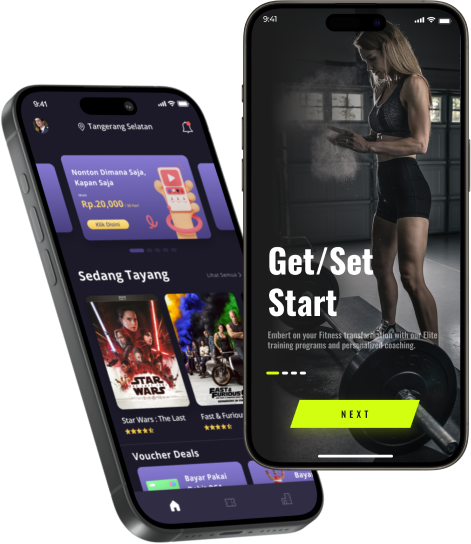



Budgeting Your Android App Development, developing an Android app for your business is an investment that needs careful consideration and planning. One of the most crucial aspects of any app development project is determining your budget and estimating how much it will cost. But with so many variables that impact the overall development cost, how can you arrive at an accurate figure?
In this blog, we will give you a comprehensive understanding of the different factors that determine the cost of Android app development services. We will also provide a realistic cost estimation formula and discuss strategies to build your app cost-effectively. By the end, you will be well-equipped to budget appropriately for your custom Android app development needs.
Key Factors Impacting Android App Development Cost:
Several factors, like app complexity, features, functionalities, third-party integrations, and deployment platforms, influence the cost of building an Android app. Let's examine each one in detail:
App Complexity
Budgeting Your Android App Development, The complexity of your app is one of the largest determinants of cost. A simpler app with basic MVP features will cost less than an app with advanced functionalities. Some aspects that increase complexity and costs are:
- Backend development (custom/BaaS)
- Hardware/OS integration
- Native app with complex UI/UX
- Cross-platform development
- Machine learning integration
- Frequent updates and iterations
More complex apps require greater development efforts, longer timelines, additional testing, and higher costs.
Key App Features
The number of features in your app design directly impacts development hours and costs. Standard features like user authentication, GPS location, and push notifications are cheaper than advanced ones like image/video uploading, complex real-time analytics, AR/VR support, biometrics, and more. Prioritize essential features to contain costs.
Deployment Platforms
Developing for multiple platforms like Android and iOS simultaneously increases app costs significantly compared to a single-platform app. Cross-platform tools can mitigate some costs, but custom-built multi-platform apps are more expensive.
Third-Party Integrations
Tightly integrating third-party services into your app functionality, like payment gateways, ad networks, and chat support, increases development, testing, and management overheads. Evaluate what integrations are truly necessary.
Testing & Quality Assurance
Budgeting Your Android App Development, Rigorously testing your app for bugs, stability, performance, and security should never be compromised, but automated testing solutions can help reduce costs compared to fully manual testing. Outsourcing testing to specialized firms is also affordable.
Post-Launch Maintenance
The cost of supporting, updating, and optimizing your live app over its lifespan through regular bug fixes and new feature additions varies with complexity but is a long-term commitment. Factor maintenance costs into your initial budget.
Mobile App Development Company
Partnering with an experienced custom Android app development developer or a reputed mobile app development company will cost more than hiring a freelance resource. However, their expertise, resources, and best practices for development can help deliver higher quality within shorter timeframes.
Common Factors Impacting Android App Development Costs:
Budgeting Your Android App Development, The cost of developing an Android application can vary significantly depending on a number of factors. One of the primary drivers is the complexity of the app itself. Simple apps with basic functionality will generally cost less to develop than feature-rich, enterprise-level applications. The number of screens, integrations with external services, and overall app architecture all contribute to the complexity and associated development effort.
Another key factor is the experience and expertise of the development team. Seasoned Android developers with a strong track record will typically command higher hourly or project-based rates compared to less experienced programmers. The location of the development team can also impact costs, with developers in technology hubs like Silicon Valley or New York generally charging more than those in lower-cost-of-living regions. The choice of development approach can also significantly affect Android app development costs.
Native Android development using Java or Kotlin will typically be more expensive than cross-platform frameworks like React Native or Flutter, which allow code reuse across iOS and Android. However, native development may be preferable for highly complex or performance-critical applications.
Ongoing maintenance and support for the app post-launch is another significant cost consideration. As Android OS versions are regularly updated, the app will need to be tested and potentially updated to ensure compatibility. Additionally, any new features or bug fixes will require additional development work. Budgeting for these ongoing costs is crucial for long-term app success.
The specific tooling, frameworks, and third-party services utilized can also impact development expenses. While open-source and free tools can reduce upfront costs, enterprise-grade, paid solutions may provide greater functionality and reliability. Factors like data storage, analytics, push notifications, and in-app purchases all require integrating relevant services, which add to the overall project budget.
Realistic Cost Calculations
To estimate project costs accurately, consider these factors and use this calculation approach:
Determine App Complexity, Key Features & Target Platforms
- Analyze the app requirements and complexity of key features like user authentication, payment integrations, data analytics, etc.
- Identify all target platforms – web, iOS, Android, etc. Developing for multiple platforms increases cost.
Estimate Development Timelines
- Break down features into sprint-sized tasks/modules
- Estimate time required for each module considering complexities
- Add buffer time for unexpected issues, testing, and bug fixes
- Consider sprints of 2-4 weeks, usually for faster iterations
Identify Required Roles
- Developers for frontend, backend, mobile, etc.
- Designers for UI/UX design and visual assets
- Quality Assurance for testing modules and full app
- Project Manager for coordination and tracking progress
- Additional roles like database admins, if required
Calculate Person-Hours Required
- Estimate hours needed by each role to complete modules
- Factor in research, planning, documentation time as well
- Include refactoring/maintenance hours over updates
- Multiply hours by the number of resources if multiple devs
- Add a 20-30% buffer for unforeseen complexities or scope changes
Determine Hourly Rates
- Research standard rates locally and globally
- Adjust rates based on experience, skills, location of provider
- Consider full-time employee rates vs freelance contractor rates
Include Recurring Costs
- Cloud hosting, database subscriptions, SMS gateway costs
- Software licenses, third-party APIs, payment processing fees
- Estimate monthly/annual recurring costs over min. two years
Calculate Total Effort
- Summarize person-hours across all roles and modules
- Multiply hours with hourly rates to get module costs
- Add recurrent costs + 10-15% contingency amount
Factor in Maintenance & Support
- Estimate hours needed for updates, backups, upgrades etc.
- Include support costs for post-launch help and bugs
- Amortize costs over 1-3 years based on app risks and lifecycle
Provide a Cost Range
- Custom software costs can range from $10k for simple MVPs
- To $50k-$500k+ for complex enterprise-grade apps
- Consider quality, timelines, and team reputation in your range
Regular feedback and scope management are key to staying within budget. This approach considers all relevant factors for a transparent and realistic cost projection.
Budgeting for Android App Development Services Costs
- BASIC APP (1-2 SCREENS): $5,000 – $15,000
- MODERATE APP (5-10 SCREENS): $15,000 – $50,000
- ADVANCED APP (COMPLEX LOGIC): $50,000 – $250,000
- ENTERPRISE GRADE APP: $250,000+
- MULTI-PLATFORM APP: 2-3X SINGLE PLATFORM COST
- MAINTENANCE PER YEAR: 10-20% OF DEVELOPMENT COST
Strategies To Reduce Android App Development Costs
While quality should never be compromised, with planning, you can build robust apps cost-effectively:
- Clearly define minimum viable features to start small and iterate
- Use proven reusable code, components, and best practices
- Leverage open-source and free libraries wherever possible
- Outsource non-critical tasks or use freelancing platforms
- Invest in auto-testing tools for continuous integration
- Adopt agile methodology for early feedback and optimization
- Negotiate volume discounts with trusted development partners
- Consider cross-platform frameworks for multi-platform coverage
- Evaluate cloud-based dev-ops solutions for ongoing maintenance
- Monetize early to fund ongoing enhancements from revenues
Developing high-quality custom Android app development services needs systematic planning and budgeting based on project requirements and timelines. Understanding key cost factors, using accurate calculations and efficient development strategies can help build robust, optimally priced apps within estimated budgets. Check reference.
Partnering with expert Wall Street Mobile Apps developers, who can guide you through the development life cycle, will also ensure that all aspects are smoothly delivered as per scope without budget overruns. Have all factors properly assessed to allocate the right investment for your mobile application needs? If done right, the returns will justify the costs.
 Wall street mobile app. All rights reserved | Cookie Settings, Anti-Spam, Privacy, User agreement, Legal Notice and Responsible Disclosure